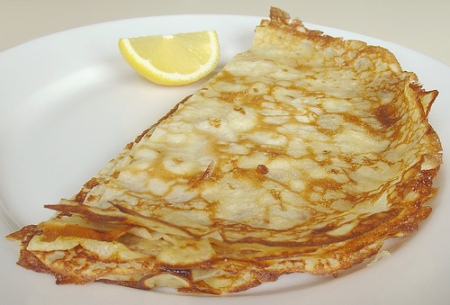
In Britain, on Shrove Tuesday we eat pancakes. It’s a pretty big deal for us, my parents
usually have an open house and everyone comes round and eats pancakes. At
university, me and my friends all chip in for ingredients and have
pancakes for dinner, traditionally with sugar and lemon. The most exciting bit is trying to flip the pancakes over, a skill I'm yet to master.
It’s a day we all observe, whether religious or not.
Louisiana,
obviously, goes far bigger and far better than just eating pancakes. The run up
to lent here involves parties and parades that go on for several weeks. Sometimes, just as we often forget at home that the day is not all about pancakes, its easy to forget that Mardi Gras is actually an important part of the Christian calander, marking the start of lent. These days it’s
a coming together of many different people from different places,
different backgrounds and different religious traditions, with alcohol often involved. The Mardi Gras
celebrations haven’t always been this way though.
New
Orleans, historically, has been a city divided and the celebration of Mardi Gras was no different. Many African-Americans felt
excluded from the traditional Mardi Gras celebrations and decided it was time
to do it their own way, naming their Krewes after imaginary Indian tribes.
According to www.mardigrasneworleans.com,
‘The Mardi Gras Indians
named themselves after native Indians to pay them respect for their assistance
in escaping the tyranny of slavery. It was often local Indians who accepted
slaves into their society when they made a break for freedom. They have never forgotten
this support.’
These tribes have a history of violence and their disguises were often used as cover to act upon grudges and settle disputes. Now the tribes compete for the best costumes, spending lots of time and money on their
intricate outfits, which you can watch an example of here: http://www.bbc.co.uk/news/magazine-21302968. The Indian Tribes are now an important part of Mardi Gras tradition, enjoyed by people of different races and social backgrounds.

Its very easy to talk about segregation within religion, but my experience of Mardi Gras could not have been more different. It gave me the oppurtunity to meet loads of different people with their own stories. Whilst different groups of society may find their own way to celebrate religious holidays, such as the Indian Tribes, society is becoming increasingly able to recognise and enjoy these differences. Mardi Gras has lost some of its religious significance, but it is also increasingly able to bring together different race and cultures in one celebration.
So next year on Shrove Tuesday I'll be back to eating my pancakes, but where I will really want to be is back in New Orleans.

No comments:
Post a Comment